

The picturesque island of Crete is famed for its crystal-clear waters, centuries-old ruins, and sun-drenched villages. But wildfire on Crete in early July 2025 has cast a dark shadow over this Mediterranean gem. Sparks—from nature and climate anomalies—have led to sweeping fires in Greece, prompting urgent travel advice to Crete and raising questions for frequent visitors.
This article explores the current situation: the wildfire on Crete, the areas affected by wildfire on Crete, broader fires in Greece, and practical travel advice to Crete for the summer season. We’ll also offer deeper context around climate trends and visitor preparedness.
Where and how it began
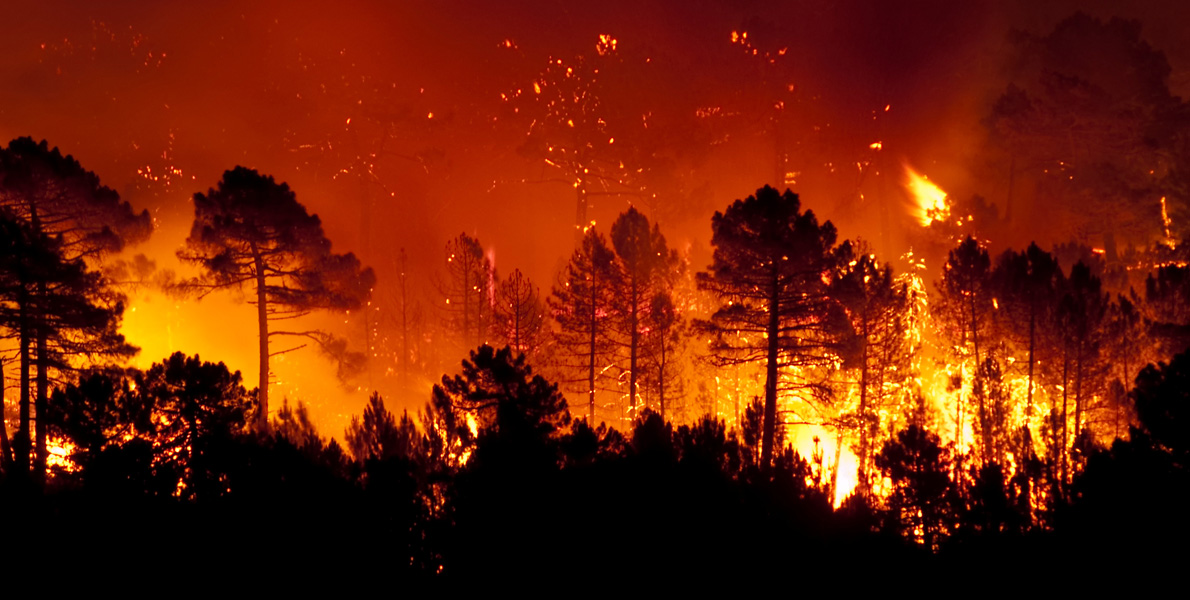
The latest wildfire on Crete ignited near the coastal town of Ierapetra on July 2, 2025, as a powerful heat dome and gale-force winds swept across southern Europe. Within 24 hours, nearly 1,500 residents and tourists were evacuated from areas affected by wildfire on Crete, including homes, hotels, and villages.
At its peak:
- Around 230 firefighters, 46 fire trucks, and 10 helicopters battled the blaze.
- Winds reached up to 80 km/h (50 mph), fanning the flames across rugged terrain.
- Approximately 5,000 tourists left the island via coordinated boat and road evacuations.
Fortunately, no fatalities have been confirmed on Crete, though dozens were treated for respiratory and heat-related symptoms.
Mapping the damage: Areas affected by wildfire on Crete
Ierapetra and neighbouring zones
The fire’s epicentre was near Ierapetra, on Crete’s southeast coast. It rapidly spread into rural expanses, holiday accommodations, and small communities:
- At least four villages and resort clusters along the coast were evacuated.
- Hotels and private villas were emptied; some suffered structural and smoke damage.
Broader context in Greece
This wildfire on Crete became one of several fires in Greece flaring up in the first week of July:
- A parallel fire in Halkidiki (mainland Greece) was being contained by 160 firefighters.
- Greece had already contended with fires on Chios in late June, where 17 communities were evacuated and more than 1,000 homes threatened.
Climate factors fuelling fires in Greece
“Early summer” heatwaves
Europe is enduring an unprecedented early summer heatwave, with southern regions seeing daytime highs well above 40 °C In Greece:
- June 2025 was Greece’s second-hottest on record, intensifying heat-stress and fire risk.
- Crete experienced sustained temperatures around 30–35 °C at night and blazing daytime peaks.
Wind and drought
Prolonged drought, combined with Mediterranean wind patterns, created ideal conditions for quick-spreading fires. Winds of 50–80 mph on July 2–3 pushed the blaze across steep valleys and coastal woodlands.
Broader picture: Fires in Greece and the Mediterranean region
Greece’s increasing wildfire risk
This year’s early-season fires aren’t unique to Crete:
- In late June, fires on Chios, Palaia Fokaia, and Thymari (near Athens) forced the evacuation of thousands.
- These incidents raise concerns: Greece’s fire season officially runs from May 1 to October 31, and fire risk peaks earlier due to climate shifts.
Mediterranean-wide trend
Neighbouring countries are also battling blazes:
- Turkey saw fires in İzmir, Cesme, and Odemis; sadly, two fatalities were confirmed there.
- Spain and Italy issued red heat alerts, with wildfires breaking out in Catalonia and southern regions.
Scientists attribute the widespread fires to warming seas, prolonged droughts, and abnormal heat peaks ― all consistent with climate change models.
Travel advice to Crete: Staying safe and informed
As a travel blogger, your audience needs thorough and practical travel advice to Crete focused on wildfire awareness. Here’s what to share:
Monitor official channels
- Sign up for regional alerts (via Greek Civil Protection and local authorities).
- Keep tabs on international advisories (UK Foreign Office, U.S. State Department, Irish DFA) .
Flexible itineraries
- Avoid areas affected by wildfire on Crete, especially around Ierapetra and nearby villages.
- Research alternative destinations: Heraklion, Chania, and inland towns remain unaffected—though heat remains intense.
Booking tips
- Check travel insurance for wildfire coverage and cancellation options. As reported, if your hotel is abandoned or region officially closed, you are typically eligible for refunds.
- Book hotels and excursions with flexible cancellation policies.
On-the-ground precautions
- Pack N95 masks to ward off smoke inhalation during fire-prone days.
- Avoid hiking in or near forests; trails may be closed unexpectedly.
- Respect local fire bans—no open flames, barbecues, or careless cigarette disposal.
Transport logistics
- Expect ferry evacuations or road closures around Ierapetra if fires flare up.
- Keep local taxi company numbers and monitor flight status; flights to unaffected regions remain operational.
Emergency contacts
- Greece’s general emergency number: 112 (EU-wide).
- Greek forest fire hotline: 199
– This number connects you to the Hellenic Fire Service. Some English may be spoken. - International visitors: register with your embassy.
Traveler perspective: What evacuees experienced
First-hand accounts highlight how quickly situations escalated:
- Over 5,000 tourists evacuated by boat, bus, and even into the open sea before rescue.
- Many were housed in an indoor stadium in Ierapetra and nearby hotels.
- No serious injuries were reported, but the disruption left visitors shaken and cautious about travel to fire-prone areas.
Long-term outlook and climate implications
Is Crete safe for holiday travel?
Short term: Areas impacted by the current wildfire on Crete remain off-limits. Flights and ferries to unaffected parts such as Chania and Rethymno continue normally.
Long term: Expect earlier and more severe fire seasons. 2025’s early heat surge may become a pattern, reshaping how and when to visit.
Why fires in Greece are increasing
- Rising summer temperatures, extended dry periods, and earlier heat peaks intensify wildfire risk.
- Turns paradise into vulnerability: coastal pine forests, olive groves, and brushlands are tinder during heatwaves.
Adapting tourism and policy
- Greece has increased firefighter budgets and mobilized 18,000 personnel nationwide.
- Travel operators shifting itineraries to less fire-prone seasons or regions.
- Sustainable travel and climate action messaging gaining traction.
Expanded travel advice to Crete: 2025 summer edition
When advising future travellers, pair allure with awareness. Here’s a refined checklist:
Before booking
- Track fire risk trends—June/early July historically risky.
- Choose flexible accommodations and cancellation policies.
- Ensure wildfire coverage in your insurance policy.
What to pack
- Reusable masks (N95 or equivalent).
- Lightweight, breathable clothing in light colours.
- Emergency kit: water, snacks, basic first aid, mask, and charger.
When you’re on the island
- Stay alert to local news.
- Maintain situational awareness—clear exits from your lodge/hotel.
- Avoid building fires, open flames, lit cigarettes outdoors.
- Use apps: Greek fire alerts, weather apps, Google Maps.
What to do if evacuations occur
- Follow official instructions and evacuation routes.
- Stay calm—evacuation networks for tourists are well organized.
- Keep copies of important documents in digital and hard copy.
- Reach out to your consulate or embassy if you can’t return.
Travel opportunity amid risk
While wildfire on Crete and fires in Greece may sound alarming, vast regions remain untouched. Many travellers report safe, rewarding visits to northern Crete, coastal towns like Rethymno and Chania, and the island’s mountainous interior. Highlights include:
- Minoan ruins: Knossos, Phaistos
- Timeless tavernas in Psiloritis villages
- Balos Lagoon, Elafonisi, and Samaria Gorge
Informed travellers—with prudent flexibility and emergency readiness—can still enjoy Crete’s magic.
Takeaway: Balanced travel advice to Crete
- Understand that wildfire on Crete is a serious, but geographically limited emergency tied to early 2025 heatwaves.
- Monitor evacuation zones and adjust your itinerary away from areas affected by wildfire on Crete.
- Insure and book smart, ensuring flexibility in case of last-minute changes.
- Stay ready—have a mask, water, and a simple evacuation plan.
- Explore safely—visiting unaffected areas still offers a vibrant, authentic Cretan experience.
The 2025 wildfire on Crete underscores a growing reality: climate-driven risks are reshaping travel. But with knowledge, flexibility, and respect for local guidance, experiencing Crete remains not only possible—but inspiring. Your readers can still chase sunsets in Chania, savour Cretan dakos, and hike olive-rimmed hills—with prudent travel advice to Crete at their side. So, encourage them to travel smart, stay informed, and tread gently on this storied island
Frequently Asked Questions About the Wildfire on Crete
1. Is it safe to travel to Crete right now despite the wildfire on Crete?
Yes, it is still possible to travel to many parts of Crete safely. The wildfire on Crete has primarily affected specific areas near Ierapetra, on the southeast coast. Travellers are strongly advised to avoid areas affected by wildfire on Crete, but many regions — including Chania, Rethymno, and Heraklion — remain open and unaffected. Always check for updated travel advice to Crete before departing.
2. Which are the areas affected by wildfire on Crete so far?
The most serious areas affected by wildfire on Crete include rural zones and resorts near Ierapetra, located on the southeast coast. Several small villages and tourist accommodations in this area were evacuated due to the fast-moving fires in Greece. Authorities are monitoring fire conditions, and updates are shared via local channels and emergency alerts.
3. What emergency number should tourists in Crete call in case of fire?
If you’re in Crete and need urgent help related to the wildfire on Crete or other emergencies, call:
- 112 – Europe-wide emergency number with English-speaking operators
- 199 – Direct line to the Hellenic Fire Brigade (may not always offer English support)
These lines are the fastest way to report incidents or get help in areas affected by wildfire on Crete.
4. What is the official travel advice to Crete during the fire season?
Current travel advice to Crete urges travellers to stay informed, avoid high-risk zones, and have flexible itineraries. The wildfire season in Greece typically runs from May to October, so it’s essential to monitor fires in Greece via local news, apps, or embassy notices. If you’re traveling near areas affected by wildfire on Crete, consider changing your plans to avoid potential evacuations.
5. Are flights and ferries to Crete being cancelled because of the wildfire on Crete?
So far, international and domestic flights to Crete continue as scheduled. The wildfire on Crete is localized, and major transport hubs such as Heraklion and Chania are not affected. However, local ferry routes or inland roads near areas affected by wildfire on Crete may experience disruptions. Always check with your airline or ferry operator before travel.
6. What should I pack if I’m traveling to Crete during fire season?
If you’re traveling during a time when fires in Greece are active, your packing list should include:
- N95 or FFP2 face masks (to filter smoke)
- Extra water and electrolytes
- Lightweight clothing for hot weather
- A printed copy of your itinerary and travel insurance
- Emergency contact info and a portable power bank
These items are part of smart travel advice to Crete during peak summer months when the risk of wildfire on Crete is highest.
7. Can I get a refund if my hotel is in one of the areas affected by wildfire on Crete?
Yes, in most cases you can. If your accommodation falls within areas affected by wildfire on Crete, you should first contact your booking provider. Many hotels and tour operators offer refunds, rebooking options, or vouchers. It’s also recommended to have travel insurance that covers fires in Greece and natural disaster disruptions.
8. Are popular tourist sites in Crete still open despite the fires in Greece?
Yes, the majority of popular attractions — including Knossos Palace, Balos Beach, and Samaria Gorge — remain open. The wildfire on Crete has not affected these central and western regions. However, if you plan to visit southeast Crete, always check for closures or evacuation orders in areas affected by wildfire on Crete as a precaution.
9. How can I stay updated on the wildfire on Crete while traveling?
To stay informed about the wildfire on Crete and other fires in Greece, travellers should:
- Enable emergency alerts on smartphones
- Follow local news and the Civil Protection Authority
- Install the “112 Greece” app (available in English)
- Monitor updates from embassies and local authorities
This is key travel advice to Crete that ensures you receive real-time safety information — especially if staying near areas affected by wildfire on Crete.
10. Will the wildfire on Crete impact future travel to Greece?
The wildfire on Crete, and other ongoing fires in Greece, highlight the growing climate-related risks in Mediterranean travel. While most trips remain safe, it’s likely that travel advice to Crete will emphasize seasonal precautions moving forward. Always book with flexible options, follow updates about areas affected by wildfire on Crete, and consider traveling in shoulder seasons (spring or autumn) to minimize disruption.
Share