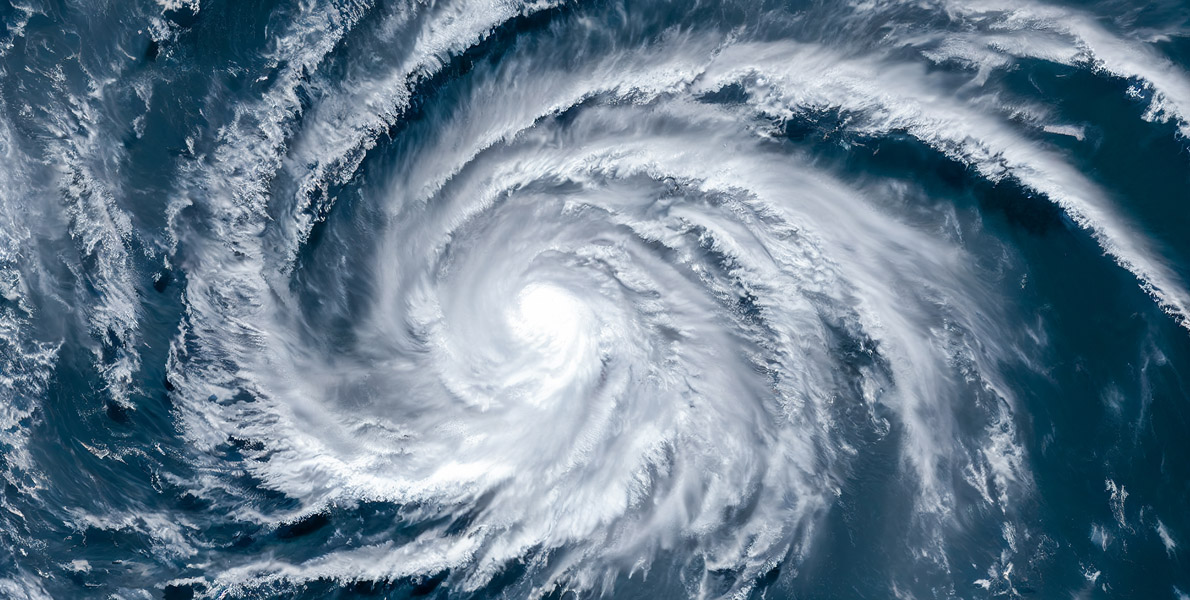


The human and environmental toll of Typhoon Bualoi continues to mount across Southeast Asia, with more than 30 confirmed deaths and many more missing as authorities brace for further flooding and landslides. The storm, which battered the Philippines last week before making landfall in Vietnam on Monday, has left a trail of destruction stretching across three countries.
In Vietnam, where Bualoi struck with full force, at least 19 people have been confirmed dead and 21 remain missing. Local officials have described it as the most devastating storm to hit the country this year. Heavy downpours—some areas receiving more than 300mm of rain in just 24 hours—have swamped northern provinces, submerging roads, displacing families, and triggering fresh fears of flash floods and landslides. In Hanoi, entire streets were left underwater on Tuesday, forcing residents to wade through knee-deep floods as authorities urged those living near the Red River to take urgent precautions.
The Philippines, which was still reeling from Typhoon Ragasa, was lashed by Bualoi as a tropical storm before it intensified. At least 11 people died, including 10 in the small island province of Biliran. Floodwaters and mudflows swept through villages, destroying hundreds of homes, bridges, and schools. Relief teams continue to face difficulties in reaching cut-off communities, while water rationing and road-clearing efforts are still under way. With two additional tropical storms striking in the days following Bualoi, the Philippines has endured an unrelenting series of blows that underscore its vulnerability to climate extremes.
In Thailand, 17 provinces were hit by flooding, with Ayutthaya—home to ancient temples and ruins—emerging as the worst affected. Four deaths have been reported, while government crews raced to erect steel barriers and reinforce embankments along the Chao Phraya and Pa Sak rivers to shield UNESCO-listed heritage sites, including the iconic Wat Chaiwatthanaram. The sight of floodwaters encroaching on centuries-old structures has raised alarm over how cultural landmarks across the region are increasingly at risk from extreme weather.
Though Bualoi has now weakened into a tropical depression and is moving inland toward Laos, its impact continues to ripple. Meteorologists warn that saturated soils, swollen rivers, and ongoing rainfall may trigger secondary disasters in the days ahead.
Experts stress that global warming is a key driver behind the intensification of storms like Bualoi. Warmer oceans are providing tropical cyclones with more fuel, producing stronger winds, heavier rainfall, and shifting rainfall patterns across Southeast Asia. The back-to-back onslaught of Ragasa and Bualoi illustrates how the region is becoming a hotspot for climate-related disasters, where densely populated areas and fragile infrastructure magnify the risks.
For millions of people, recovery will be slow. Thousands have been displaced from their homes, farmlands have been washed away, and key transport links remain disrupted. Aid agencies, including the Red Cross, are scaling up emergency relief, but local officials warn that resources are stretched thin.
Bualoi’s devastation is a sobering reminder that the region’s battle against climate change is not abstract—it is unfolding in real time, with lives, livelihoods, and cultural heritage all at stake. As Southeast Asia emerges from the storm, questions linger: how many more will it take before urgent global action matches the scale of the crisis?
Frequently Asked Questions About Typhoon Bualoi
What is Typhoon Bualoi?
Typhoon Bualoi is a powerful tropical cyclone that recently struck parts of Southeast Asia, including the Philippines, Vietnam, and Thailand. It has since weakened to a tropical depression as it moved inland toward Laos.
Which countries were affected the most?
Vietnam has suffered the heaviest loss of life, with at least 19 dead and 21 missing. The Philippines reported at least 11 fatalities, while Thailand confirmed four deaths and flooding in 17 provinces.
Why was Vietnam hit so hard?
Bualoi made landfall in northern central Vietnam as a strong typhoon, unleashing heavy rain exceeding 300mm in just 24 hours in some areas. This caused severe flooding, submerged roads, and heightened the risk of landslides. This also happens to be the worst storm the country has faced this year.
What happened in the Philippines?
Bualoi struck the Philippines as a tropical storm before intensifying. The small island province of Biliran was worst hit, with 10 people killed. Flooding and mudflows destroyed homes, bridges, and schools, while relief efforts continue to face major challenges.
What about Thailand?
Seventeen provinces in Thailand were inundated, with Ayutthaya worst affected. Floodwaters threatened the city’s UNESCO-listed heritage sites, prompting the government to install steel barriers and additional defences around historic temples and ruins.
Is Bualoi still dangerous?
Yes. Although downgraded to a tropical depression, saturated ground and swollen rivers mean flash floods and landslides remain a serious risk in parts of Vietnam, Laos, and Thailand.
How does climate change make storms worse?
Global warming heats the oceans, providing tropical cyclones with more energy. This fuels stronger winds, more intense rainfall, and shifting precipitation patterns, which make storms like Bualoi more destructive and unpredictable.
How does this typhoon compare to others in the region?
Bualoi arrived shortly after Typhoon Ragasa and was followed by two more storms in the Philippines, highlighting the increasing frequency of extreme weather events in Southeast Asia.
What has been the impact on cultural sites?
In Thailand, floodwaters threatened Ayutthaya’s historic temples, including Wat Chaiwatthanaram. Emergency measures have been taken to protect these UNESCO-listed landmarks, raising concerns about climate risks to cultural heritage.
What is being done to help survivors?
Governments, local authorities, and aid organisations such as the Red Cross are providing emergency shelters, food, medical care, and clean water. Road clearing and water rationing are ongoing in hard-hit areas.
What challenges remain for recovery?
Thousands of people remain displaced, infrastructure has been heavily damaged, and farmlands destroyed. Relief resources are stretched, and rebuilding efforts are expected to take months, if not longer.
What lessons does Bualoi highlight?
The typhoon underscores the urgent need for stronger disaster preparedness, climate resilience measures, and global action to address the root causes of climate change. Southeast Asia’s vulnerability means communities are often on the frontline of climate-linked disasters.
Share