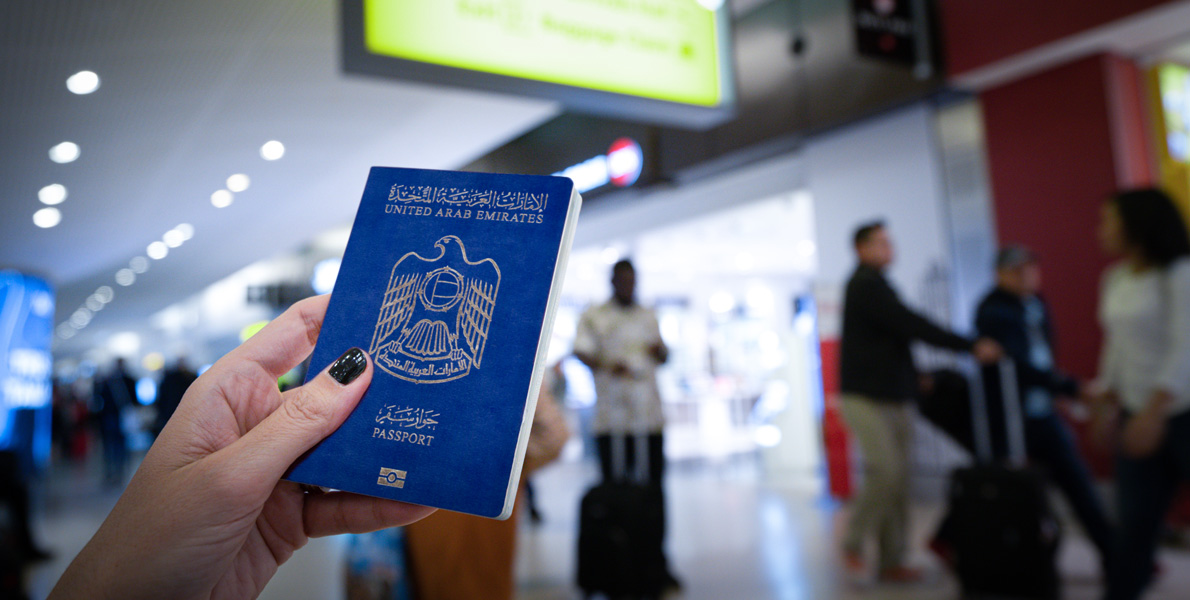


The UK Foreign Office updates have issued an urgent reminder to British nationals planning trips to Dubai: ensure your passport meets the UAE’s entry requirements to avoid disruptions at departure. The latest travel guidance warns that failing to comply with passport validity rules could result in denied boarding when flying to the United Arab Emirates (UAE).
British travellers must ensure their passport is valid for at least six months beyond the date of entry into Dubai or any other UAE destination. This requirement is strictly enforced and is a key condition for smooth entry. If a passport does not meet this standard, travellers may be refused entry onto their flight and face the disappointment of cancelled plans.
Passport Validity: What You Must Know
These UK Foreign Office updates highlight the importance of checking passport validity well in advance. For entry into Dubai, the passport must have a minimum of six months’ validity from the intended arrival date. This rule helps streamline immigration and avoid any on-arrival complications.
However, there are limited exceptions. For UK passport holders with valid UAE residence permits or those transiting without entering the country, the validity requirement may be reduced to three months from the date of entry. Even so, travellers are strongly advised to verify such exceptions directly with their airline or the UAE Embassy to ensure compliance.
Visa for Dubai: Entry Made Simple
In addition to passport validity, a visa for Dubai is essential—but conveniently, UK citizens do not need to apply in advance. Upon arrival in the UAE, they are issued a free visa for Dubai automatically at immigration. This visa is valid for up to 90 days within a 180-day period, allowing for flexibility across multiple visits, as long as the total number of days does not exceed 90.
Frequent travellers should keep track of how many days they’ve spent in the country to avoid overstaying, which can result in fines or other penalties. For longer stays or repeat visits, managing your visa duration is essential.
Is Your Passport Eligible for Dubai?
If you’re unsure whether your passport meets Dubai’s entry requirements, the safest option is to contact the UAE Embassy in the UK. While the UK Foreign Office updates provide general guidance, the UAE Embassy is the official source for up-to-date entry criteria, including both passport and visa rules.
Travellers can contact the UAE Embassy via phone, email, or by visiting in person. It’s strongly recommended that Brits planning trips to Dubai seek official confirmation, particularly if their passport is near its expiry date.
More Essential Travel Tips for Dubai
Beyond the UK Foreign Office updates and visa for Dubai requirements, UK travellers should familiarise themselves with Dubai’s local laws and customs. Modest dress in public, respect for local culture, and following rules around alcohol consumption are all important for a smooth and respectful stay.
Laws regarding public behaviour, displays of affection, and social media usage are strictly enforced. Violations can lead to fines or legal consequences, so it’s best to read up on local regulations before travelling.
Airline policies also come into play. Carriers such as Ryanair and easyJet have strict baggage limits. Double-check your airline’s guidelines to avoid additional fees or delays at the airport.
Dubai’s Ongoing Appeal to UK Tourists
Dubai continues to be a top holiday destination for British travellers, drawing millions annually with its luxurious resorts, world-class shopping, and iconic landmarks like the Burj Khalifa and the Dubai Mall. The ease of receiving a visa for Dubai upon arrival and the city’s extensive tourism infrastructure make it a favourite among UK holidaymakers.
Still, as travel continues to surge globally, staying current with UK Foreign Office updates and embassy announcements is more important than ever.
Airport & Flight Considerations for UK Travellers
For UK citizens heading to Dubai, understanding flight options and airport logistics can help make the journey as smooth as possible. Direct flights from the UK to Dubai are widely available, with major departures from London Heathrow, Gatwick, Manchester, Birmingham, and Glasgow. Emirates, British Airways, Virgin Atlantic, and other international carriers offer daily direct services to Dubai International Airport (DXB), the main entry point into the UAE.
Dubai International Airport (DXB) is one of the world’s busiest and best-connected hubs, offering modern facilities and a seamless arrival process for UK passport holders. Some flights may also land at Al Maktoum International Airport (DWC), located on the outskirts of the city, especially for budget carriers or cargo-influenced routes. Always check your arrival airport in advance to plan transfers accordingly.
The average flight duration from the UK to Dubai is around 6 hours and 45 minutes, depending on the departure airport and flight path. Most flights operate overnight, meaning you’ll arrive early in the morning—something to consider when booking airport transfers or early hotel check-in.
Travellers should also note that Emirates allows generous baggage allowances, but low-cost airlines may have stricter rules. Make sure to review your airline’s luggage policy to avoid last-minute fees or delays at check-in.
Frequently Asked Questions About Travelling to Dubai
Can I travel to Dubai with less than six months on my passport?
According to UK Foreign Office updates, your passport must be valid for at least six months from your arrival date in the UAE. Failing to meet this can result in denied boarding. Exceptions may apply for those with a UAE residence permit or in transit, but always check with your airline or the UAE Embassy.
Do children need a separate visa for Dubai?
Yes, but the process is automatic. Children travelling on a UK passport are issued a free visa for Dubai upon arrival, just like adults, provided all passport and entry requirements are met.
Can I renew my passport quickly if it’s about to expire?
Yes. The UK offers a 1-week Fast Track passport service for urgent travel needs. You can apply online or through selected Post Office branches. Standard renewals may take up to 3 weeks, so plan ahead.
Do I need travel insurance to visit Dubai?
While not mandatory, comprehensive travel insurance is strongly recommended. It should cover medical emergencies, trip cancellations, and personal belongings, especially as healthcare costs in the UAE can be high for non-residents.
Will my visa for Dubai allow multiple entries?
The 90-day visa for Dubai issued on arrival covers multiple entries within a 180-day window, as long as the total stay does not exceed 90 days. This flexibility is ideal for frequent travellers.
Can I check my eligibility online before flying?
You can find general guidance on the UK Foreign Office website, but the UAE Embassy in London is your best source for personalised, up-to-date advice on passport validity and visa eligibility.
What happens if I overstay my visa in Dubai?
Overstaying your visa for Dubai can result in daily fines, potential bans on future entry, or legal complications. It’s important to track your stay and either exit the country or apply for an extension before the 90-day limit expires.
Can I extend my visa while I’m in Dubai?
Yes, in most cases, the visa for Dubai issued on arrival can be extended once for an additional 30 days without the need to leave the country. Extensions can be arranged through the General Directorate of Residency and Foreigners Affairs (GDRFA) or via registered travel agencies in the UAE.
Do I need a return flight ticket to enter Dubai?
While not always strictly enforced, it’s highly recommended to have proof of onward or return travel when entering Dubai. Immigration officers may request it, especially for tourists arriving on the 90-day visa waiver.
Will I need to fill in any arrival forms or pre-clearance documents?
As of now, no special arrival forms are required for UK travellers entering Dubai for tourism. However, UK Foreign Office updates may introduce or modify requirements due to health, security, or diplomatic changes, so always double-check shortly before travel.
Are there any items I’m not allowed to bring into Dubai?
Yes. Dubai has strict customs regulations. Prohibited items include drugs (even trace amounts), e-cigarette liquids containing certain substances, items with offensive material, and weapons. Some over-the-counter UK medications are also banned in the UAE—always check the UAE Embassy’s list before packing.
Is it safe to travel to Dubai as a solo traveller or female tourist?
Yes, Dubai is considered one of the safest cities in the world, with low crime rates and high public security. Solo and female travellers should feel secure but are advised to respect local customs, dress modestly, and follow the laws to avoid issues.
Will I need a different visa if I plan to work remotely or do business in Dubai?
Yes. The visa for Dubai issued to UK tourists is strictly for leisure. If you plan to work remotely, attend business meetings, or stay longer, you’ll need to apply for a different visa type, such as a Remote Work Visa or Business Entry Permit, through official UAE channels.
Can I use my UK mobile phone in Dubai?
Yes, UK phones will generally work in Dubai, but roaming charges can be expensive. Consider getting a local SIM card upon arrival at the airport or using an eSIM if your phone supports it. Alternatively, connect to free Wi-Fi, widely available in hotels, malls, and cafés, to keep costs down.
Are there dress code rules for tourists in Dubai?
Yes, modest dress is encouraged in public places. While swimwear is acceptable at pools and beaches, visitors should cover shoulders and knees in malls, restaurants, and public transport. The dress code is especially important when visiting religious or cultural sites, where more conservative attire is required.
Can I bring alcohol into Dubai from the UK?
Travellers over the age of 21 can bring in up to 4 litres of alcohol duty-free. Alcohol is also available in licensed venues like hotels, bars, and restaurants. However, drinking in public places or being intoxicated in public is illegal and can lead to fines or arrest. Be sure to check the latest UK Foreign Office updates regarding local laws.
Is tipping expected in Dubai?
Tipping is not mandatory but is commonly appreciated. In restaurants, a tip of 10–15% is standard if service isn’t already included in the bill. Tipping porters, taxi drivers, and hotel staff is also common but not required.
Are there any cultural etiquette tips I should know before visiting Dubai?
Yes, respect for local customs is essential. Avoid public displays of affection, loud behaviour, or swearing in public. During Ramadan, eating, drinking, or smoking in public during daylight hours is discouraged. Always ask permission before taking photos of people, especially women or locals in traditional dress.
Can I drive in Dubai using my UK driving licence?
UK tourists can drive in Dubai using a full UK driving licence, but they must be over 21 and the licence must be in English. If you’re hiring a car, many agencies may also require an International Driving Permit (IDP), so it’s worth checking ahead with your rental provider.
What emergency numbers should I know in Dubai?
In case of an emergency, dial 999 for police, 998 for ambulance, and 997 for fire services. The UAE has a well-organised emergency response system and English is widely spoken, making it easier for UK travellers to seek help if needed.
The Final Word
The UK Foreign Office updates serve as a crucial reminder: check your passport’s expiry date and understand the visa for Dubai process before departure. Ensuring your passport is valid for at least six months beyond your arrival date is the simplest way to avoid airport issues or denied boarding.
With proper preparation such as confirming visa eligibility, staying updated on entry regulations, and understanding local customs – British tourists can enjoy their time in one of the world’s most glamorous and exciting destinations, confident that all travel documents are in order and that their journey will be smooth, safe, and stress-free.
As always, stay informed and stay safe – let us know if the new updates from the UK foreign office has impacted your plans to visit Dubai in the comments below.
Share