

From Risks and Insurance to Local Laws, Transport, and Emergency Contacts
Turkey continues to be a top destination for UK travellers, offering everything from golden beaches and turquoise waters to majestic mountains, bustling bazaars, and a rich blend of history and culture. With millions of British holidaymakers visiting annually, it remains a well-loved escape for families, couples, and solo adventurers alike.
However, like any international destination, Turkey requires travellers to approach their trip with awareness, proper planning, and respect for local laws and customs. This comprehensive safety guide will help you understand the risks, make informed choices, and enjoy your Turkish holiday with confidence. Keep reading to find out all about travel safety in Turkey.
1. Understanding the Safety Landscape Across Turkey
While most visits to Turkey are trouble-free, safety conditions can vary widely by region. The UK Foreign, Commonwealth & Development Office (FCDO) provides regularly updated travel guidance, highlighting areas of heightened risk. For instance:
Eastern provinces near the borders with Syria, Iraq, and Iran may pose increased safety risks due to regional tensions.
Major cities like Istanbul and Ankara are generally safe but have experienced sporadic protests or security incidents in the past.
Tourist areas such as Antalya, Bodrum, Marmaris, and Fethiye are considered safe, but petty crime (like pickpocketing) can occur, especially in crowded areas.
Top Tip: Sign up for FCDO travel alerts so you’re notified of any sudden changes while you’re abroad.
2. Travel Insurance: Your Safety Net
Comprehensive travel insurance is a must. It should include:
- Emergency medical coverage
- Hospitalisation and repatriation
- Cancellation or curtailment of trips
- Lost luggage or theft
- Coverage for high-risk activities like paragliding, diving, or quad biking
Always read the small print. Some policies exclude ‘dangerous’ sports or require an add-on for extreme activities. Make sure your provider covers the full duration of your trip and any specific activities you plan to enjoy.
3. Outdoor Adventures: Know the Risks Before You Go
From hiking in Cappadocia to white-water rafting and beachside parasailing, Turkey offers endless outdoor pursuits. But these come with risks:
Water Sports
- Only book with licensed operators.
- Always wear a life jacket.
- Check local weather forecasts and heed lifeguard advice.
- Avoid alcohol before water-based activities.
Jeep Safaris & Quad Biking
- Several accidents in recent years have involved unlicensed operators or poorly maintained vehicles.
- Insist on safety briefings and helmets.
- Avoid off-road activities with providers who don’t offer clear safety procedures.
Hiking and Trekking
- Tell someone your planned route and estimated return time.
- Take plenty of water and wear appropriate footwear.
- Be cautious in remote areas and avoid hiking alone.
4. Beach Safety: Understanding Flag Systems and Local Warnings
Turkey’s beaches use a flag system to warn of sea conditions:
🟥 Red Flag: Dangerous – do not swim.
🟨 Yellow Flag: Caution advised.
🟩 Green Flag: Safe to swim.
⛳ Purple Flag: Presence of dangerous marine life.
Tip: The FCDO warns that an average of 82 UK nationals drown abroad each year—many due to swimming in unsafe conditions. Stay informed, and never ignore flag warnings.
5. Local Laws and Cultural Sensitivities
- Dress Modestly at Religious Sites
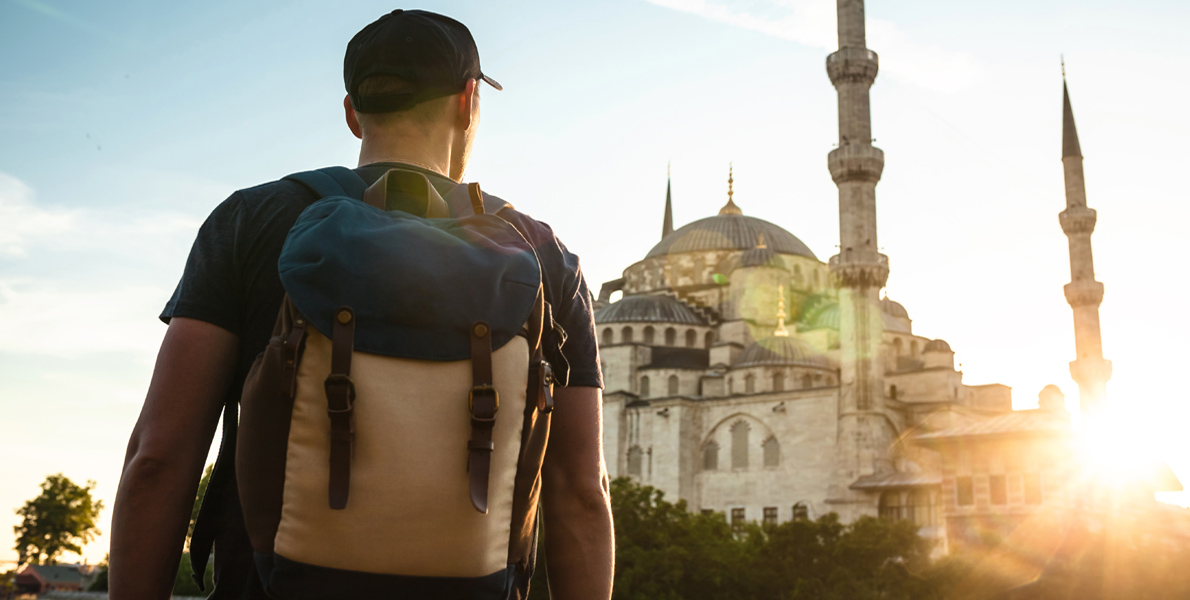
- Wear long trousers/skirts and cover shoulders when visiting mosques.
Alcohol and Behaviour
Alcohol is widely available, but public intoxication or disorderly conduct can lead to fines or arrest. Drinking in non-tourist public spaces is often frowned upon.
Drug Laws
Possession of even small amounts of illegal substances can result in severe penalties, including prison time.
Photography
Avoid photographing military installations or government buildings. Always ask permission before photographing people.
6. Staying Safe in Cities and Tourist Areas
Watch Your Belongings
Pickpocketing is a risk, especially in busy areas like Istanbul’s Grand Bazaar or popular transport hubs.
Transport Safety
- Use licensed taxis (official yellow taxis with meters).
- Avoid unofficial taxis or accepting unsolicited transport offers.
- On public transport, remain vigilant of your surroundings.
Emergency Numbers in Turkey:
- Ambulance: 112
- Police: 155
- Fire: 110
- Coast Guard: 158
7. Passport and Visa Rules for UK Nationals
UK citizens do not require a visa for tourism or business visits of up to 90 days in any 180-day period.
Passport Requirements:
- Must be valid for at least 150 days (approx. 5 months) from the date of arrival.
- Must have at least one blank page.
Note: Travellers with expired, damaged, or reported-lost passports will be denied entry.
8. Staying Connected with the UK Government Abroad
In emergencies, UK travellers can contact:
- British Embassy in Ankara
- Consulate General in Istanbul
- Honorary Consulates in various cities
FCDO Travel Advice Website: https://www.gov.uk/foreign-travel-advice/turkey
Sign up for email alerts or download the FCDO Travel Aware app for real-time updates.
9. Health and Medical Considerations
- Carry any personal medications with a prescription letter.
- Tap water is generally safe in cities but bottled water is recommended.
- Hospitals in major cities are well equipped, but rural areas may have limited facilities.
- Check with your GP at least 6 weeks before travel for recommended vaccinations, such as Hepatitis A, Typhoid, or Tetanus.
10. In Case of Natural Disasters
Turkey is prone to earthquakes, particularly in the east and Istanbul region. While most are minor, larger tremors can occur.
What to Do in an Earthquake:
- Stay indoors under sturdy furniture, or if outside, move to an open space.
- Have a basic emergency kit and know your nearest safe exit points.
Frequently Asked Questions (FAQs)
1. Is Turkey safe for UK tourists right now?
Yes, most parts of Turkey—especially popular tourist regions like Antalya, Istanbul, Bodrum, and Cappadocia—are considered safe for UK travellers. However, it’s important to check the latest FCDO travel advice, as some areas near the Syrian and Iraqi borders may carry additional risks.
2. Do I need a visa to enter Turkey?
No. UK passport holders can enter Turkey for tourism or business purposes without a visa for stays of up to 90 days within a 180-day period.
3. How much passport validity do I need to enter Turkey?
Your passport must be valid for at least 150 days (approximately five months) from the date of your arrival in Turkey. It must also have at least one blank page for entry and exit stamps.
4. Is travel insurance mandatory for visiting Turkey?
It’s not legally required, but comprehensive travel insurance is strongly recommended. It protects against medical emergencies, cancellations, theft, and accidents—especially if you plan to participate in outdoor or high-risk activities.
5. What emergency numbers should I know in Turkey?
Here are the key emergency contacts:
- General Emergency (Medical, Police, Fire): 112
- Police: 155
- Fire Service: 110
- Coast Guard: 158
UK Embassy/Consulate assistance: Visit www.gov.uk/world/turkey for up-to-date contact information.
6. Are water sports and adventure activities safe in Turkey?
Yes—when done with licensed operators. Always ensure safety gear is provided, that you receive a safety briefing, and that your insurance covers the specific activity. Avoid booking through unverified street vendors.
7. Can I drink the tap water in Turkey?
While tap water is safe for brushing teeth and general hygiene in cities, it’s best to drink bottled water to avoid stomach upsets, especially in rural areas.
8. What local customs should I be aware of?
- Dress modestly when visiting religious sites.
- Public displays of affection may be frowned upon in conservative areas.
- Avoid discussing sensitive political issues.
- Be respectful during the Islamic holy month of Ramadan.
9. What should I do if I lose my passport in Turkey?
Immediately report the loss to local police and obtain a police report. Then contact the British Embassy or nearest consulate to arrange an emergency travel document.
10. Are earthquakes common in Turkey?
Yes, Turkey is in an earthquake-prone region. Although most tremors are minor, it’s wise to familiarise yourself with local emergency procedures, especially if visiting Istanbul or eastern parts of the country.
11. Can I use my mobile phone in Turkey?
Yes. Most UK networks offer international roaming in Turkey, but charges may be high. Consider buying a local SIM card or an international roaming package to save costs. Free Wi-Fi is available in many hotels, cafes, and airports.
12. Is there a dress code for tourists?
There’s no strict dress code in most areas, but modest clothing is appreciated, especially in rural regions or religious sites. Swimwear is acceptable at beaches and pools but not in public streets or shops.
Final Thoughts on Travel Safety in Turkey
With its blend of stunning coastlines, majestic ruins, warm hospitality, and rich traditions, Turkey truly offers an unforgettable holiday. But smart travel means preparing for the unexpected.
Your Safety Checklist:
✅ Check FCDO advice
✅ Get comprehensive travel insurance
✅ Know emergency numbers
✅ Respect local laws and customs
✅ Be vigilant with activities and providers
✅ Keep copies of important documents
With awareness and preparation, your Turkish getaway can be safe, seamless, and spectacular. We hope this guide shed some light on travel safety in Turkey. Sound off in the comments on anything we’ve missed and let us know!
Share